Operational Highlights
- Virtual print drivers convert remote output into local vector or PostScript spool jobs without full document transfer.
- Eliminates boundary leaks by processing print spool streams strictly inside the active encrypted tunnel.
- Bypasses heavy local driver installation requirements on the remote host computer.
Table of Contents
Local Print Pipeline Architecture
Virtual Driver Emulation
Remote apps send data to a lightweight generic spooler driver rather than querying physical hardware capabilities.
Encrypted Payload Tunnel
Print commands convert to compressed XPS or PDF byte streams sent directly over the established session transport.
Host Isolation Fence
Target devices on the local LAN remain completely invisible and protected from the remote host network.
Local Rendering Engine
The local client intercepts the vector stream and delegates page rasterization to your native hardware driver.
Print Path Verification Checklist
Field Verification Checklist
- Confirm driver parity: the remote queue should emit a format the local printer actually understands, ideally a universal driver on both ends.
- Isolate the spooler boundary — remote print jobs should land in a distinct local queue, not interleave with native print traffic.
- Run a test page through the full remote-to-local path before trusting it with confidential or formatted documents.
- Guard the default printer: sessions that silently re-map defaults send documents to whichever device answered last.
Streamlining Print Spools Across the Local Boundary
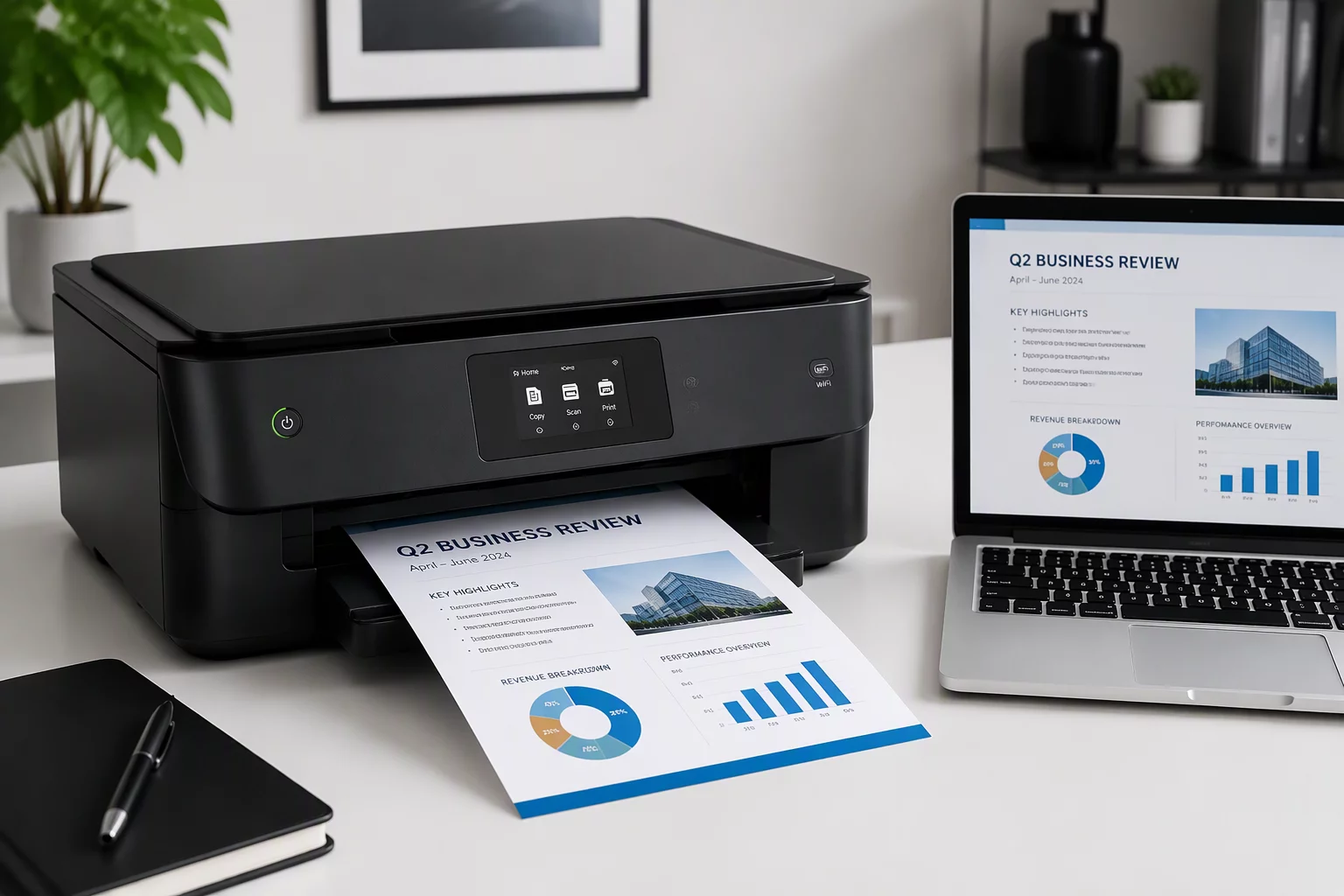
Dispatching a document from a remote cloud or office workstation to your physical desktop printer used to mean either downloading huge source files locally or installing proprietary local printer drivers inside remote corporate operating systems. Modern remote print architectures replace this cumbersome workflow by intercepting print jobs at the virtual spool level. The remote operating system outputs a standardized intermediate format, preserving layout formatting while preventing driver version mismatches.
When initiating a print request within a remote session, the host treats the virtual printer as an immediate native output device. Instead of communicating directly with your physical hardware over complex VPN routings, the virtual driver captures the document vector objects, serializes the spool stream, and pipes the data across the established remote channel. Your local client agent catches the stream and invokes the local operating system's native spooler, outputting pages cleanly onto paper.
Decoupling driver rendering from the remote host ensures that local hardware quirks never jeopardize remote system stability or document layout integrity.
— Sarah Jenkins, Remote Systems Architect
This approach drastically reduces bandwidth consumption while maintaining exact color profiles and margins. Because raw document binaries never need to be permanently saved to local storage disks, it also ensures stringent security compliance for regulated industries dealing with sensitive customer records, financial statements, and confidential client briefs.
Technical Specifications & Performance Metrics
| Operational Parameter | Standard Context | Optimal Recommendation | Impact Factor |
|---|---|---|---|
| Spool Data Protocol | Raw PCL / Driver-Specific Spooling | Compressed Vector XPS / PDF Stream | Bandwidth & Fidelity |
| Driver Installation Scope | Client Driver on Remote Host | Universal Virtual Spooler Only | Host Stability |
| Tunnel Encryption | Unencrypted LAN Broadcast | End-to-End Session TLS / AES-256 | Data Privacy |
| Spool Memory Handling | Disk Cache Persistence | In-Memory Buffer with Auto-Purge | Storage Hygiene |
Discussion & Insights
Nina K.
09/18/2026Printing was my biggest pain point.
Leave a Methodological Observation